Challenges in Traditional Welding Solutions
Have you ever faced the frustration of managing intricate welding tasks, only to find out that traditional robots fall short in adaptability? Statistics reveal that businesses lose up to 20% of productivity due to inefficient manual welding processes. The introduction of industrial welding robots, particularly the palletizing cobot, can transform this scenario by enhancing flexibility and speed. It’s no secret that the demands in manufacturing are evolving, and with that evolution comes the need for cutting-edge automation solutions.
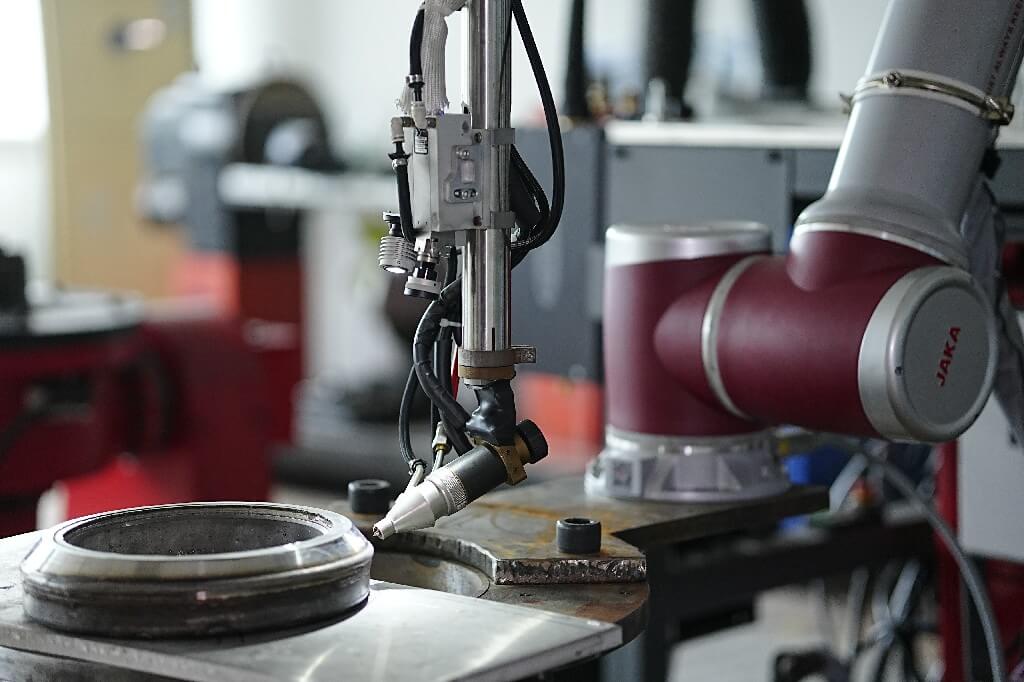
What’s Wrong with Manual Processes?
Welding, though pivotal, has often been a bottleneck in production lines. I remember a time when my team struggled to meet deadlines because our manual welding methods couldn’t keep up with increased orders. We were dedicated, but the physical limitations of human labor meant that we often hit a wall. Enter the palletizing cobot—this technology not only increases the speed of operations but brings consistency to welds, reducing errors dramatically and improving overall quality. I firmly believe that a shift to modern automation is not just beneficial; it’s essential.
Embracing the Future with Palletizing Cobots
Looking ahead, businesses must consider how advanced solutions like the palletizing cobot will reshape manufacturing landscapes. With this technology, companies can enjoy seamless integration with existing processes. Think about it—if your welding operations could run 24/7 with minimal downtime and errors, how much could you outpace your competitors? It’s not just a dream; it’s becoming a reality.
Real-World Impact of Automation
In 2023, one of my clients adopted a palletizing cobot in their manufacturing plant in Houston. Their welding efficiency skyrocketed by over 30% within three months. Can you imagine the relief and excitement of the team as they watched their productivity soar? The morale boost was palpable, leading to reduced turnover and greater job satisfaction. Embracing automation can lead to measurable improvements that go beyond just numbers on a spreadsheet; they foster a workplace culture driven by innovation and efficiency.
Key Insights for Your Welding Operations
As I wrap up, let’s focus on three crucial metrics for evaluating automation solutions for welding tasks: first, assess how well the technology integrates with your current systems; second, quantify the expected efficiency gains versus costs; and finally, consider the adaptability of the solution—can it evolve as your needs change? My experience in this field has shown me that choosing the right equipment can mean the difference between stagnation and growth. Don’t let fear of the unknown hold you back; embrace the shift towards automation.

In summary, traditional welding processes come with many pain points, but solutions like the palletizing cobot can revolutionize your factory floor. The future is indeed bright for those willing to adapt and thrive. Remember, at the heart of every successful transition is a commitment to constant improvement—and that’s what we, at JAKA, are all about.